
Maui homes For Sale
- Haiku Homes For Sale
- Haliimaile Homes For Sale
- Hana Homes For Sale
- Honokowai Homes For Sale
- Kaanapali Homes For Sale
- Kahakuloa Homes For Sale
- Kahana Homes For Sale
- Kahului Homes For Sale
- Kanaio Homes For Sale
- Kapalua Homes For Sale
- Kaupo Homes For Sale
- Keanae Homes For Sale
- Keokea Homes For Sale
- Kihei Homes For Sale
- Kipahulu Homes For Sale
- Kuau Homes For Sale
- Kula Homes For Sale
- Lahaina Homes For Sale
- Lanai Homes For Sale
- Launiupoko Homes For Sale
- Makena Homes For Sale
- Maalaea Homes For Sale
- Makawao Homes For Sale
- Maui Meadows Homes For Sale
- Molokai Homes For Sale
- Nahiku Homes For Sale
- Napili Homes For Sale
- Olinda Homes For Sale
- Olowalu Homes For Sale
- Paia Homes For Sale
- Pukalani Homes For Sale
- Spreckelsville Homes For Sale
- Ulupalakua Homes For Sale
- Wailea Homes For Sale
- Waihee Homes For Sale
- Wailuku Homes For Sale
Appeals Court Orders Maui Planning Commission to Revisit Environmental Review for Honuaula Project
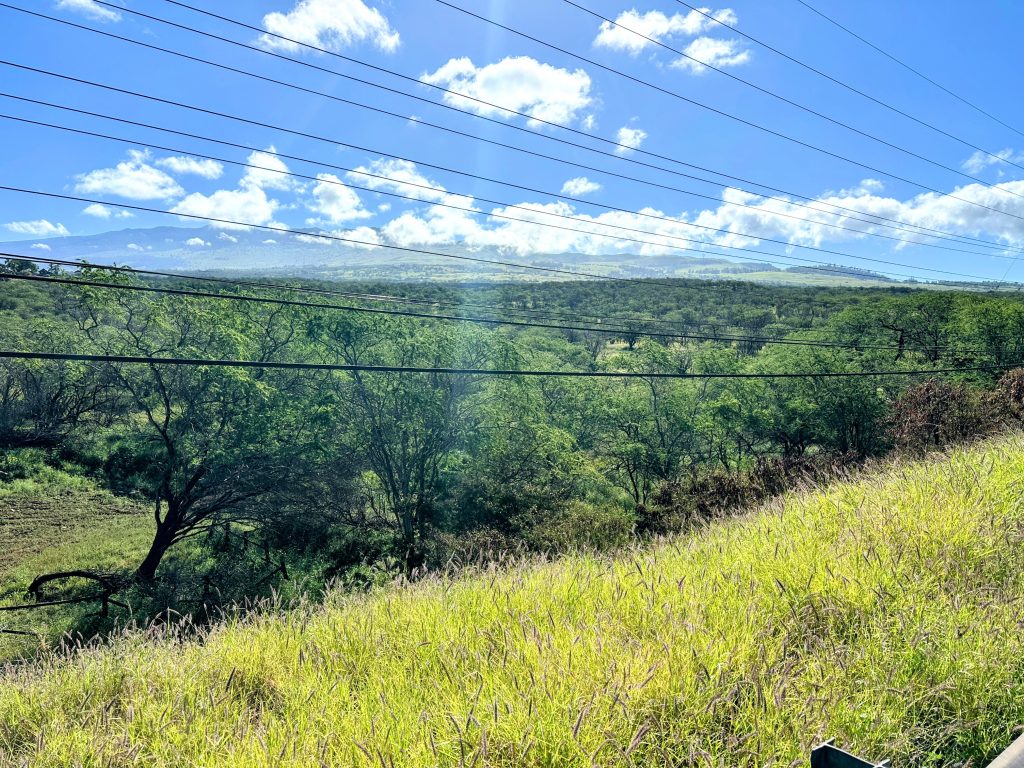
In a major legal decision affecting long-term development in South Maui, the Hawaiʻi Intermediate Court of Appeals issued a summary disposition order directing the Maui Planning Commission to reconsider whether developers of the proposed Honuaʻula master-planned community—formerly known as Wailea 670—must prepare a Supplemental Environmental Impact Statement (SEIS).
The ruling, issued on August 6, 2026, partially vacates the Maui Planning Commission’s November 2022 Phase II preliminary site plan approval for the 670-acre development situated above Wailea and Maui Meadows on the slopes of Haleakalā.
1. What the Court Decided
The appeal was brought forward by local community groups Hoʻoponopono O Mākena and the Maui Tomorrow Foundation, who challenged a 2024 Circuit Court decision upholding the Planning Commission's Phase II preliminary site plan approval.
The three-judge appellate panel concluded that the Maui Planning Commission applied the wrong legal standard when it evaluated the project in 2022:
- The Correct Legal Standard: Rather than asking whether Maui County law expressly required a supplemental environmental review, the court ruled that the commission was legally required under Hawaiʻi law to evaluate whether the project had substantively changed in size, scope, intensity, use, location, or timing since its original Environmental Impact Statement (EIS) was accepted in 2012.
- Sent Back to the Commission: The court remanded the matter back to the Planning Commission, instructing it to evaluate those changes over the past 14 years and formally decide whether an updated SEIS is required before Phase II approvals can stand.
2. Issues Upheld by the Court
While sending the environmental review process back to the commission, the appeals court rejected several other challenges raised by the community groups and affirmed key aspects of the original approval:
- Drainage Plan Compliance: The court upheld the commission's finding that the developer’s drainage plan complied with county conditions, citing expert testimony demonstrating that the proposed system provided more stormwater capacity than required by county regulations.
- Due Process & Authority: The court rejected claims that the commission violated due process by accepting updated drainage plans prior to a contested case hearing, and ruled that the commission did not improperly delegate its authority.
- Golf Course & Workforce Housing Settled: Challenges regarding workforce housing numbers and golf course requirements were deemed legally moot. In August 2025, the Maui County Council updated the project's governing ordinances—removing the golf course requirement entirely and establishing a minimum requirement of 288 workforce housing units.
3. Perspectives From Both Sides
The ruling drew distinct responses from environmental advocates and project representatives:
- Community Advocates: Maile Luʻuwai, president of Hoʻoponopono O Mākena, praised the ruling, noting that significant changes to a major project should not bypass public environmental review. Attorney Bianca Isaki emphasized that South Maui’s cultural, natural, and native plant ecosystems deserve a thorough and lawful SEIS evaluation.
- Project Developers: Cal Chipchase, legal counsel for Honuaʻula Partners LLC, highlighted that the court's decision largely validated the commission's technical work and drainage findings. He noted that overall project modifications—including several hundred fewer market-rate homes, no golf course, and expanded open space preserves—support the developer's position that an additional EIS may not be required.
4. Why Honuaʻula Is a Key Project for South Maui
Spanning 670 acres, Honuaʻula represents one of the longest-running planning processes in Maui County history. The current proposal calls for approximately 1,150 residential units (including the 288 affordable/workforce units), commercial space, a native plant preserve, and infrastructure improvements such as widening Piʻilani Highway.
Because Phase II Project District approval represents the final discretionary review stage where public testimony is formally integrated, the Planning Commission's upcoming SEIS determination will be a critical hurdle before site work or subdivision steps can proceed.
For complete details on the ruling, read the full article on Maui Now.