
Maui homes For Sale
- Haiku Homes For Sale
- Haliimaile Homes For Sale
- Hana Homes For Sale
- Honokowai Homes For Sale
- Kaanapali Homes For Sale
- Kahakuloa Homes For Sale
- Kahana Homes For Sale
- Kahului Homes For Sale
- Kanaio Homes For Sale
- Kapalua Homes For Sale
- Kaupo Homes For Sale
- Keanae Homes For Sale
- Keokea Homes For Sale
- Kihei Homes For Sale
- Kipahulu Homes For Sale
- Kuau Homes For Sale
- Kula Homes For Sale
- Lahaina Homes For Sale
- Lanai Homes For Sale
- Launiupoko Homes For Sale
- Makena Homes For Sale
- Maalaea Homes For Sale
- Makawao Homes For Sale
- Maui Meadows Homes For Sale
- Molokai Homes For Sale
- Nahiku Homes For Sale
- Napili Homes For Sale
- Olinda Homes For Sale
- Olowalu Homes For Sale
- Paia Homes For Sale
- Pukalani Homes For Sale
- Spreckelsville Homes For Sale
- Ulupalakua Homes For Sale
- Wailea Homes For Sale
- Waihee Homes For Sale
- Wailuku Homes For Sale
Addressing the Gap Maui Council Considers Expanding Affordable Housing Fund to Serve Houseless Residents
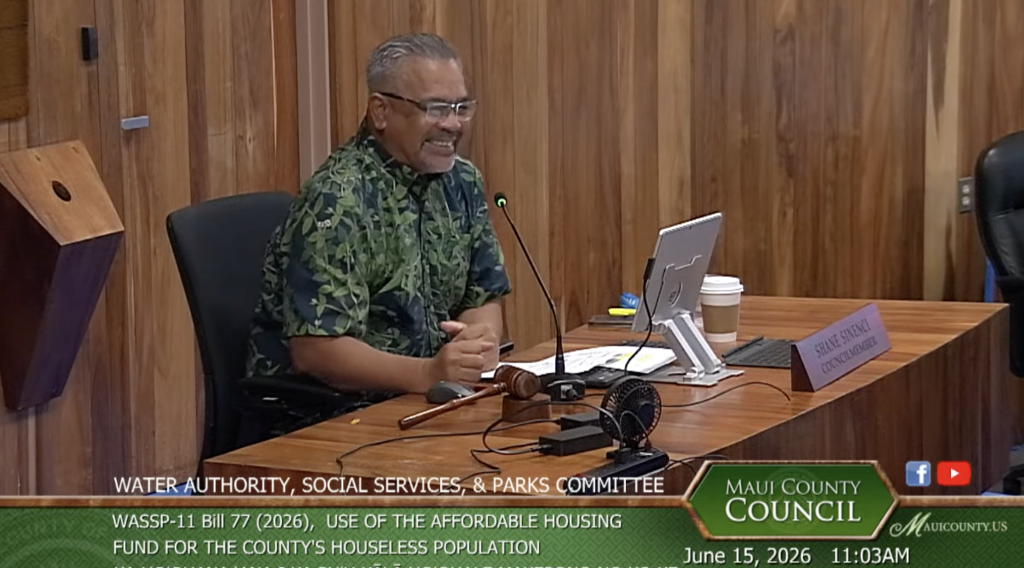
A critical conversation is unfolding at the Maui County Council regarding how the island allocates its housing resources. A Council committee is currently reviewing new legislation that could systematically shift a portion of the County's Affordable Housing Fund toward creating dedicated housing solutions for residents with zero income—a population currently left out of the fund's eligibility requirements.
Introduced as Bill 77, the measure seeks to establish a clear legal definition for "houseless" individuals and families within the county code, opening up a legal pathway to fund shelters, transitional spaces, and permanent housing for Maui's most vulnerable community members.
What is Bill 77?
Currently, the County's Residential Workforce Housing Policy defines "very low income" as households earning 50% or less of the Area Median Income (AMI). Because the policy focuses heavily on wage-earning thresholds, individuals and families with no income at all face extreme challenges qualifying for fund-backed housing.
Key Components of the Proposal:
- Defining the Need: The bill officially defines "houseless" as anyone lacking a fixed, regular, and adequate nighttime residence, including those staying in supervised temporary shelters or sleeping in places not designed for human accommodation.
- Mandated Funding: It would require a yet-to-be-determined percentage of the Affordable Housing Fund to be set aside each fiscal year specifically to address this population.
- Accountability: The Department of Housing would be required to submit an annual plan detailing exactly how many units will be built and how many individuals will be served.
The Council's Water Authority, Social Services and Parks Committee, chaired by Shane Sinenci, deferred the bill this week to allow for continued discussion, planning, and language refinements over the coming months.
Collaboration with Nonprofits and Site Exploration
During the committee hearing, Department of Housing Director Richard Mitchell voiced support for the bill's intent while highlighting logistical realities. Mitchell emphasized that the department would not manage these facilities directly. Instead, the County intends to utilize a Request for Proposals (RFP) process to partner with experienced local nonprofits.
To incentivize private builders, Mitchell noted he plans to add bonus evaluation points for future housing projects that intentionally integrate houseless shelter units into their designs.
Furthermore, the housing department is moving forward with evaluating a 100-acre parcel in South Maui, located near the Kīhei Police Station, as a potential site capable of serving multiple community housing and shelter needs.
Diverse Perspectives from Community Advocates
The committee heard emotional and practical testimony from local advocates urging the County to take immediate action:
- Addressing Root Causes: Testifiers highlighted that while the August 2023 wildfires intensified housing strain, the underlying crisis had been mounting for over a decade. Many unsheltered individuals are lifelong Maui residents, working families, and kūpuna who have simply been priced out of the modern rental market.
- Redirecting Resources: Advocates suggested that funds currently spent on beach cleanups and encampment dislocations could be more effectively utilized by establishing puʻuhonua-style cultural refuges or refurbishing existing structures into functional dormitories. Sometimes, simple access to a locked door, a hot shower, and basic stability is the catalyst needed to get individuals off the street.
Looking Ahead
Committee Chair Sinenci indicated that the panel will spend the next couple of months heavily focused on evaluating houseless housing strategies. The next milestone on the committee's agenda is a scheduled update on the County's safe parking initiative on June 29, 2026.
Your Maui Real Estate Partners
As policy shifts continue to shape local land use, development incentives, and community resources, staying informed helps us build a stronger, more resilient island together.
If you are planning on buying or selling your home this year, don't hesitate to contact us. The Smith Team is here to guide you through your real estate journey with local expertise, up-to-date market insights, and dedicated care.
Image from YouTube