
Maui homes For Sale
- Haiku Homes For Sale
- Haliimaile Homes For Sale
- Hana Homes For Sale
- Honokowai Homes For Sale
- Kaanapali Homes For Sale
- Kahakuloa Homes For Sale
- Kahana Homes For Sale
- Kahului Homes For Sale
- Kanaio Homes For Sale
- Kapalua Homes For Sale
- Kaupo Homes For Sale
- Keanae Homes For Sale
- Keokea Homes For Sale
- Kihei Homes For Sale
- Kipahulu Homes For Sale
- Kuau Homes For Sale
- Kula Homes For Sale
- Lahaina Homes For Sale
- Lanai Homes For Sale
- Launiupoko Homes For Sale
- Makena Homes For Sale
- Maalaea Homes For Sale
- Makawao Homes For Sale
- Maui Meadows Homes For Sale
- Molokai Homes For Sale
- Nahiku Homes For Sale
- Napili Homes For Sale
- Olinda Homes For Sale
- Olowalu Homes For Sale
- Paia Homes For Sale
- Pukalani Homes For Sale
- Spreckelsville Homes For Sale
- Ulupalakua Homes For Sale
- Wailea Homes For Sale
- Waihee Homes For Sale
- Wailuku Homes For Sale
The Lost Sponge Why Kona Storms Are So Destructive to South Maui
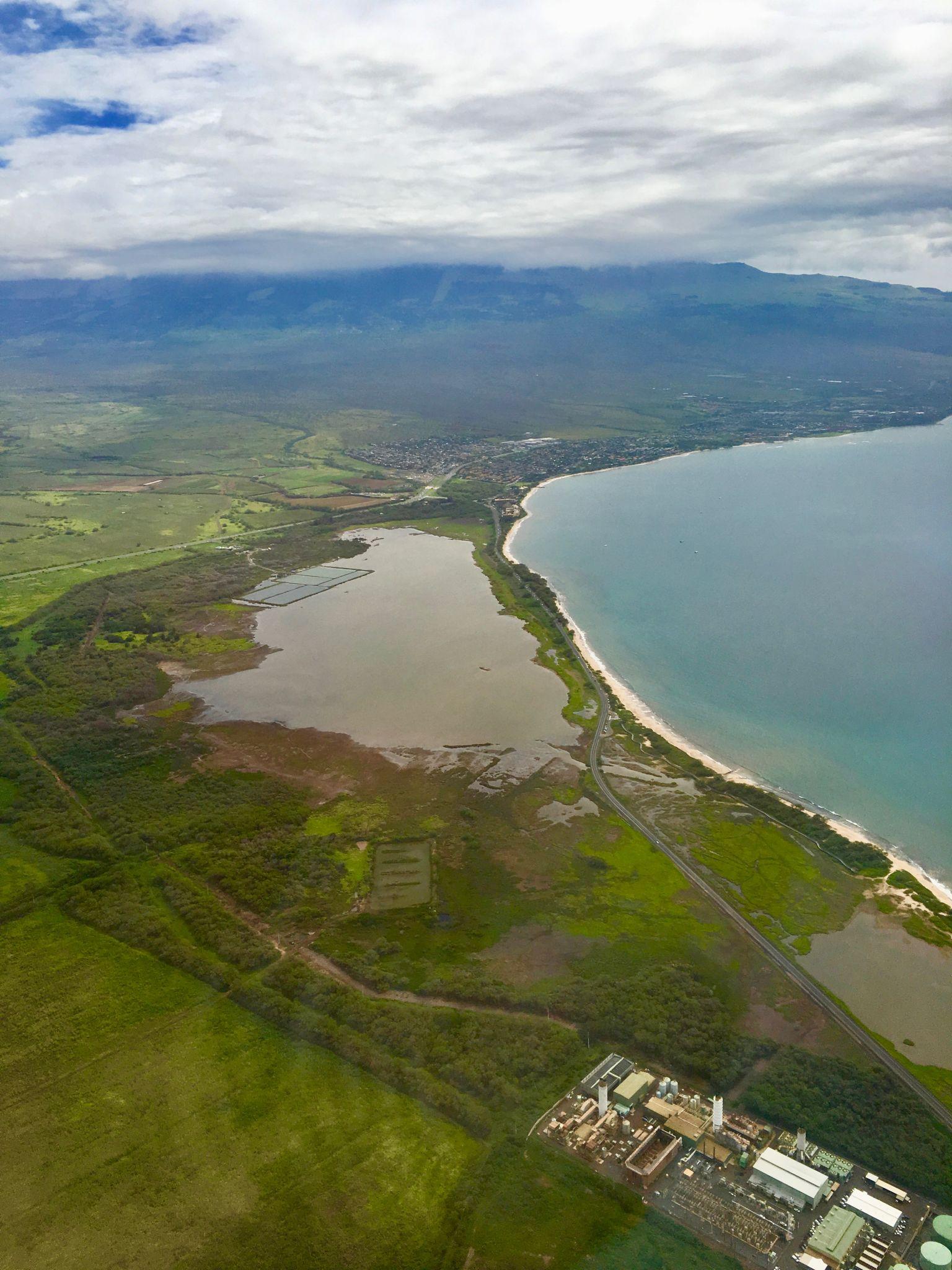
In Hawaiʻi, the word "Kona" refers to the leeward (usually dry) side of the islands. So, when a "Kona Storm" or "Kona Low" arrives, it represents a complete reversal of our typical weather patterns. While our trade winds usually bring gentle rains to the windward slopes, a Kona Low attacks from the opposite direction, bringing some of the most destructive flooding events in Maui’s history.
To understand why these storms do so much damage—particularly in South Maui—we have to look at the unique physics of the storm and, more importantly, the historical transformation of the land itself.
1. The Physics: A Reversal of the Norm
Most of the year, Maui is cooled by northeasterly trade winds. A Kona Low is a subtropical cyclone that pulls deep, tropical moisture up from the equator and slams it into the islands from the south or southwest.
Because these storms move slowly and are "cold-core" systems, they can park themselves over the islands for days. Instead of a passing shower, we get a sustained deluge. When this massive volume of water hits the 10,000-foot slopes of Haleakalā, it has nowhere to go but down—fast.
2. The History: Kīhei’s Lost Natural Defense
If you look at aerial photos of Kīhei from the 1950s and early 1960s, the landscape looks fundamentally different than it does today. Before the dense subdivisions and shopping centers, the coastal plain between Māʻalaea and Wailea was a rich patchwork of wetlands, ponds, taro fields, and seasonal flood basins.

The "Natural Sponge"
These natural landscapes were Maui's primary defense system. They functioned as a biological sponge:
- Velocity Reduction: Thick wetland vegetation acted as a physical brake, slowing the water's speed as it rushed down from the mountain.
- Absorption: The porous soils and peat of the wetlands could hold millions of gallons of water, allowing it to soak into the aquifer rather than flooding the surface.
- Filtration: These areas acted as nature’s kidneys, trapping "red dirt" sediment before it could reach and smother the coral reefs.

3. The Turning Point: 1950s – 1980s Development
During the mid-20th century development boom—particularly in the 50s, 60s, 70s, and into the 80s—wetlands were often viewed as "swamps" or "wasteland" rather than critical infrastructure. To make way for the Kīhei we know today, vast sections of these wetlands were:
- Drained and filled with soil to create stable building pads.
- Paved over with asphalt and concrete, creating "impervious surfaces."
- Diverted into narrow concrete culverts that were never designed to handle the volume of a true Kona Low.
By replacing the "sponge" with concrete, we created a landscape where water "sheets" off the surface. Without the wetlands to slow it down, runoff picks up speed and mud, turning South Kīhei Road into a river during every major event.
4. The Upcountry Connection & "Mud Floods"
The damage isn't just about what happens at sea level. Kīhei sits at the foot of a massive watershed. When a Kona storm hits, the rain falls heavily on the degraded upland slopes. Without dense native forest cover to hold the soil, the water brings down tons of silt.
This is why South Maui is often the site of "mud floods." It is the cumulative result of mountain-to-sea changes: a lack of upland absorption combined with the total removal of the coastal floodplains that once filtered that mud.

5. Why the Damage Persists
Today, less than half of South Maui’s original wetlands remain. Furthermore, because many developments were built in "high-water-table" areas, the ground often saturates from below. When the groundwater rises to meet the surface runoff, the land loses its ability to drain almost instantly.
While federal protections like the Clean Water Act now protect remaining areas like Keālia Pond, the fundamental "hardened" footprint of Kīhei was already established by the 1980s.
Understanding this history is key to finding future solutions. Whether through wetland restoration or improved green infrastructure, we are now tasked with trying to replicate the natural systems that once protected this coastline for centuries.