
Maui homes For Sale
- Haiku Homes For Sale
- Haliimaile Homes For Sale
- Hana Homes For Sale
- Honokowai Homes For Sale
- Kaanapali Homes For Sale
- Kahakuloa Homes For Sale
- Kahana Homes For Sale
- Kahului Homes For Sale
- Kanaio Homes For Sale
- Kapalua Homes For Sale
- Kaupo Homes For Sale
- Keanae Homes For Sale
- Keokea Homes For Sale
- Kihei Homes For Sale
- Kipahulu Homes For Sale
- Kuau Homes For Sale
- Kula Homes For Sale
- Lahaina Homes For Sale
- Lanai Homes For Sale
- Launiupoko Homes For Sale
- Makena Homes For Sale
- Maalaea Homes For Sale
- Makawao Homes For Sale
- Maui Meadows Homes For Sale
- Molokai Homes For Sale
- Nahiku Homes For Sale
- Napili Homes For Sale
- Olinda Homes For Sale
- Olowalu Homes For Sale
- Paia Homes For Sale
- Pukalani Homes For Sale
- Spreckelsville Homes For Sale
- Ulupalakua Homes For Sale
- Wailea Homes For Sale
- Waihee Homes For Sale
- Wailuku Homes For Sale
Mortgage Rates Dip to Lowest Level Since September 2022
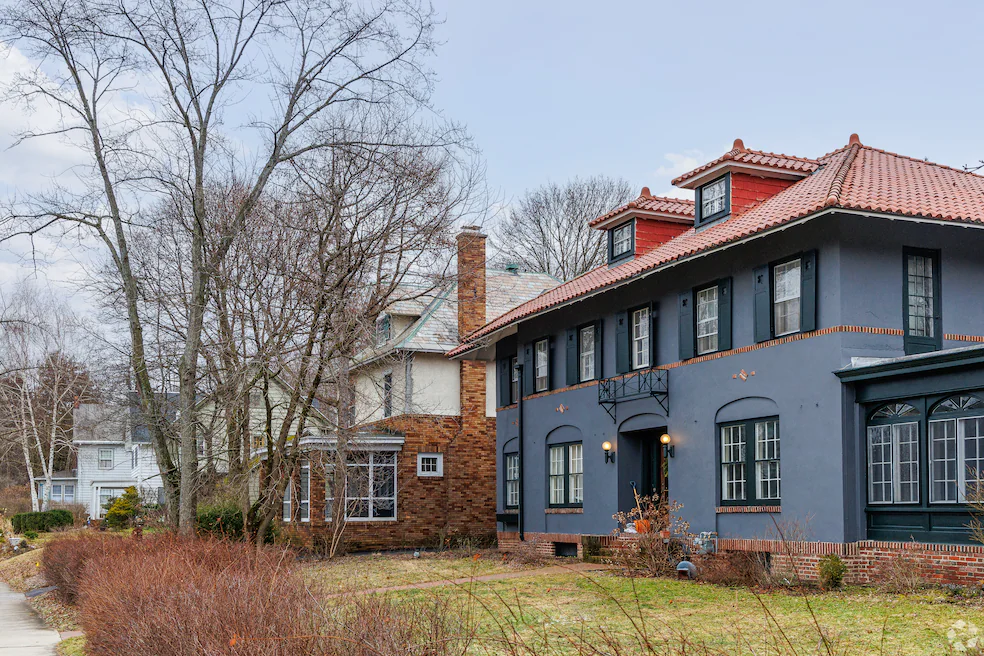
Prospective homebuyers and homeowners received a significant piece of news this week as mortgage rates reached their lowest averages in over three years. This downward trend offers a potential spark for the upcoming spring market, even as current sales activity remains chilled by winter weather and inventory shortages.
According to data released Thursday by Freddie Mac, the 30-year fixed-rate mortgage averaged 6.01%. This marks the second consecutive week of declines and a notable drop from the 6.85% average seen during the same period last year.
Key Takeaways
- Multi-Year Lows: The 30-year fixed rate hit 6.01% and the 15-year fixed rate fell to 5.35%, the lowest levels since September 2022.
- Refinance Boom: Lower rates have fueled a massive surge in refinance applications, which have more than doubled over the past year.
- Market Stagnation: Despite better rates, January home sales fell 8.4%, hampered by high prices and severe winter conditions.
- Spring Potential: Economists estimate that 5.5 million more households now qualify for a mortgage compared to last year, setting the stage for a busy spring.
A Tale of Two Trends: Refinancing vs. Purchasing
While the decline in rates has not yet sparked a massive wave of new home sales, it has been a windfall for current homeowners. The lower interest environment is strengthening the financial position of many who purchased homes during the recent period of high rates.
"This lower rate environment is not only improving affordability for prospective homebuyers, it’s also strengthening the financial position of homeowners," stated Sam Khater, chief economist at Freddie Mac. "Over the past year, refinance application activity has more than doubled, enabling many recent buyers to reduce their annual mortgage payments by thousands of dollars."
Conversely, purchase applications have been more volatile. According to the Mortgage Bankers Association, while interest in buying is higher than it was a year ago, week-to-week demand has fluctuated as buyers navigate a market with limited options.
Why the Sales Market Remains Quiet
The recent dip in rates has yet to fully overcome the hurdles facing the housing market. The National Association of Realtors (NAR) recently reported that pending home sales—signed contracts for existing homes—slid in January on both a monthly and annual basis.
Several factors are contributing to this sluggishness:
- Affordability Barriers: Even with lower rates, home prices remain near record highs in many regions.
- Winter Weather: Heavy snow and freezing temperatures across much of the country in January likely kept buyers at home.
- Inventory Shortages: Potential sellers are still hesitant to list their homes, waiting for even lower rates or more favorable conditions.
Looking Ahead to the Spring Rush
Despite a slow start to the year, there is significant optimism for the months ahead. Lawrence Yun, chief economist at the NAR, noted that approximately 5.5 million households that were priced out when rates were near 7% can now qualify for a mortgage at today's levels.
Yun predicts that if historical trends hold, about 10% of those newly qualified households could enter the market soon. This could potentially add 550,000 new homebuyers to the market this year compared to last year, assuming inventory levels rise to meet the demand.